
Franchising Done Well: Building Successful Franchise Relationships for Long-Term Growth

Updated: Jun 28
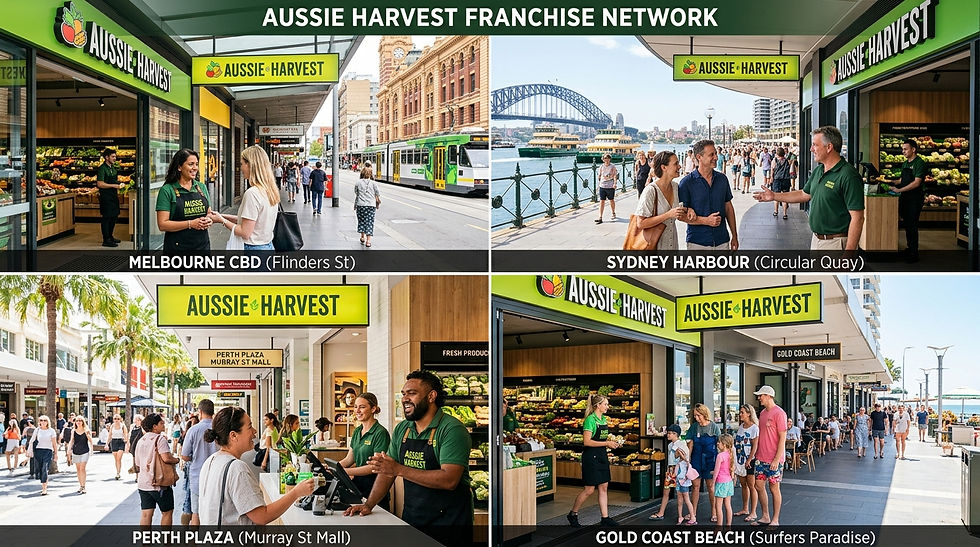
Franchising is often viewed as a business expansion strategy, but at its core it is a relationship-based business model. The most successful franchise systems are built on a simple principle: Both franchisors and franchisees must succeed together.
When franchising is done well, the relationship becomes mutually beneficial. Franchisors provide the systems, brand, support and expertise, while franchisees contribute local market knowledge, business skills, commitment and capital. This combination creates a powerful platform for sustainable growth.
Understanding what makes a franchise relationship successful can help both franchisors and prospective franchisees make better decisions from the outset.
The Foundation of a Successful Franchise System
Australia's franchising framework is designed around a balance of responsibilities between franchisors and franchisees.
Successful franchise systems typically depend on two key elements:
Responsible franchisor disclosure and conduct.
Effective franchisee due diligence and ongoing commitment.
Neither party can achieve long-term success without the other. Franchise systems thrive when there is transparency, communication and collaboration throughout the relationship.
A franchise agreement may set out the legal obligations of both parties, but the commercial success of the network often depends on how effectively franchisors and franchisees work together over time.
Why Strong Franchise Relationships Matter
The franchise relationship is inherently interdependent.
Franchisors rely on franchisees to deliver consistent customer experiences, uphold brand standards and drive local business performance. Franchisees rely on franchisors for operational systems, training, marketing support and strategic leadership.
When this relationship functions effectively, the entire network benefits through:
Stronger brand reputation
Increased profitability
Improved customer satisfaction
Better business culture
Sustainable network growth
Open communication and a shared commitment to success are often the defining characteristics of high-performing franchise systems.
This is what Franchising Made Easy® refers to as the Virtuous Cycle of Franchising.
When franchisees are profitable, they are typically more engaged, more committed to the brand and more likely to remain in the network. Strong franchisee performance strengthens the brand, improves customer experiences and creates greater confidence among prospective franchisees.
As the network grows and improves, the franchisor gains additional resources to invest in innovation, support, marketing and operational improvements. Those improvements help future franchisees become successful more quickly, which in turn strengthens the network even further.
In short, profitable franchisees create stronger franchise systems, and stronger franchise systems help create profitable franchisees.
The Role of the Franchisor
Successful franchisors typically spend years refining their business before offering franchises.
Before expansion, they focus on:
Developing proven operating systems
Understanding customer needs
Refining brand, products and services
Establishing profitable business models
Creating replicable processes
A strong franchise system provides franchisees with the tools, systems and expertise required to operate effectively.
The goal is not simply to sell franchises. The goal is to create a business model that can be successfully replicated across multiple locations while maintaining consistency and profitability.
What Prospective Franchisees Should Consider
Buying a franchise is a significant business investment.
Prospective franchisees should carefully evaluate whether a franchise opportunity aligns with their skills, experience, financial capacity and lifestyle goals.
Some important questions to consider include:
Is the Business Model Proven?
Understanding whether the franchise is based on a tested concept or a new market proposition is critical.
A proven business model may provide greater certainty, while newer concepts may present both additional opportunities and risks.
The disclosure requirements placed on the franchisor under the Franchising Code of Conduct mandate that a franchisee needs a reasonable opportunity to make a return on their investment.
Have Other Franchisees Been Successful?
One of the most valuable due diligence steps is speaking directly with existing franchisees.
The great franchise systems do this really well and transparently show all flaws and benefits, allowing a prospective franchisee to make balanced decisions.
Prospective franchisees should ask:
How long have they operated the business?
What support do they receive from the franchisor?
What challenges have they encountered?
What does it take to be successful?
Would they invest in the franchise again?
These conversations can provide practical insights that may not be evident from disclosure documents alone.
Are You the Right Fit?
Every franchise system has different expectations.
Some businesses require owner-operators who are actively involved in day-to-day operations. Others may support multi-unit ownership or management structures.
Understanding the operational expectations of the franchise can help avoid future disappointment and conflict.
Recruitment: One of the Most Important Responsibilities of a Franchisor
For franchisors, recruitment is one of the most critical stages of franchise development.
Selecting the wrong franchisee can create challenges for both parties and may negatively affect the broader franchise network.
Effective recruitment goes beyond assessing financial capacity.
Franchisors should seek franchisees who:
Understand the franchise model
Share the brand's values
Possess strong business acumen
Demonstrate commitment and resilience
Have realistic expectations about the opportunity
When franchisees enter the system with a clear understanding of the investment and operational requirements, the likelihood of long-term success increases significantly.
Transparency Creates Better Outcomes
One common cause of franchise disputes is a mismatch between expectations and reality.
Franchisors should be transparent about:
Operational requirements
Time commitments
Financial obligations
Performance expectations
Growth opportunities and limitations
For example, if owner involvement is essential to business success, franchisors should clearly communicate how this may affect future ambitions to own multiple franchise locations.
Setting realistic expectations from the beginning helps build stronger relationships and reduces the risk of future conflict.
Franchising Success Is a Shared Responsibility
The most successful franchise systems recognise that franchising is not simply a contractual arrangement. It is a long-term commercial partnership.
Franchisors must provide leadership, support and proven systems. Franchisees must bring commitment, effort, business discipline and a willingness to follow established processes.
When both parties fulfil their responsibilities, franchising can create significant opportunities for growth, profitability and long-term success.
Building strong relationships, maintaining open communication and selecting the right people remain some of the most important factors in creating a thriving franchise network.
Frequently Asked Questions
Is franchising primarily a growth strategy or a relationship model?
At its core, it's relationship-based: sustainable systems rely on strong franchisor-franchisee relationships, not just brand expansion.
What underpins a successful franchise relationship?
A proven business model, consistent branding and genuine ongoing support from the franchisor.
What happens when the relationship side is neglected?
Even a strong business model can fail if franchisees feel unsupported or disconnected from an invisible franchisor.
Speak With a Franchise System Architect
If you are exploring franchising and want to determine whether your business may be ready for franchising, understanding the development process is an important first step.
At Franchising Made Easy®, we help founders design franchise systems that are structurally integrated and capable of sustainable growth.
If you would like to explore how franchising could work for your business, consider speaking with an experienced Franchise System Architect.
Source Attribution: This article was inspired by and references information published by the Australian Small Business and Family Enterprise Ombudsman (ASBFEO) in the article "Franchising Done Well."
This article is general information only and does not constitute legal, business or financial advice.


